
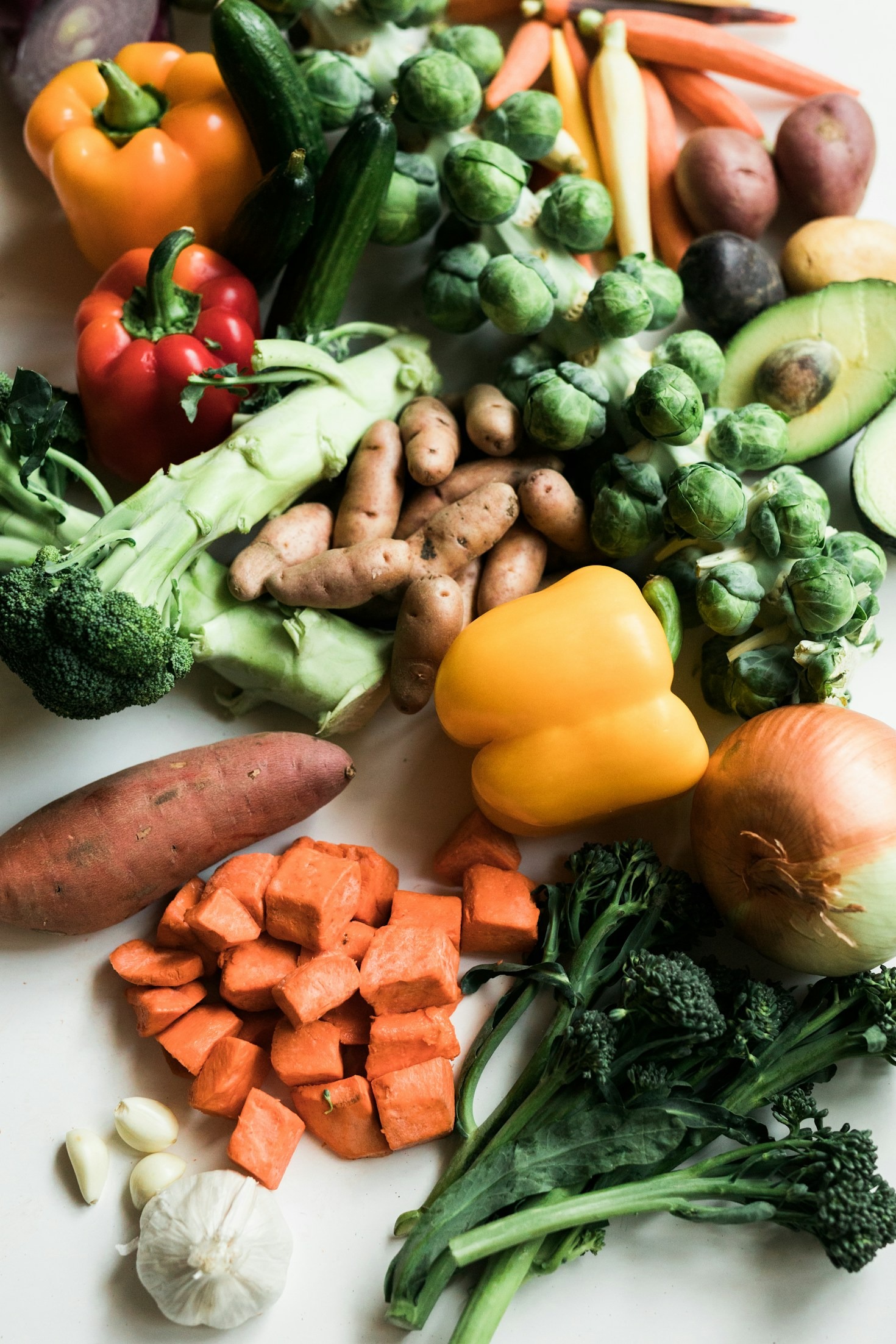
Starting a plant-based lifestyle can feel exciting—and a little overwhelming. With so much information out there, it’s easy to think you need to change everything overnight. The good news? A successful transition to plant-based eating doesn’t have to be complicated and you can still enjoy all the textures and flavors you love.
I stopped eating meat some 50 years ago when I looked at the pork chop on my plate and thought: this represents fear, pain, death. That did it, and I went plant‑based instantly.
— Jane Goodall
Start with familiar foods.
You don’t need to reinvent every meal. Begin by plant-ifying dishes you already love—think veggie-packed pastas, grain bowls, soups, tacos, or stir-fries. Swapping animal-based ingredients for beans, lentils, tofu, or tempeh can feel natural and satisfying when flavors are familiar. There are also numerous products that are great alternatives to eating meat and dairy.
Focus on what to add, not what to remove.
Instead of fixating on foods you’re cutting out, explore the abundance of plant-based options available. Whole grains, colorful vegetables, fruits, legumes, nuts, and seeds bring variety, texture, and nutrition to your plate. The more you experiment, the easier it becomes to build balanced meals.
Keep it simple.
Plant-based eating doesn’t require complicated recipes or specialty ingredients. There are many ways to enjoy the journey of plant-based eating… Start with recipes you already love and try swapping out animal-based foods for plant-based (i.e. coconut milk instead of heavy cream or plant-based oils instead of butter). Some of the most nourishing meals are also the simplest—roasted vegetables, hearty salads, one-pot stews, and easy bowls. Simplicity makes consistency possible, especially on busy days.
Plan ahead for success.
A little planning goes a long way. Whether it’s prepping ingredients, choosing meals in advance, or relying on prepared plant-based options, having food ready helps prevent last-minute stress and keeps you on track. Convenience is key to building long-term habits.
Be patient with yourself.
Transitioning to plant-based eating is a learning process. It’s okay to take it one meal at a time and find what works best for your lifestyle. Progress doesn’t have to be perfect to be meaningful.
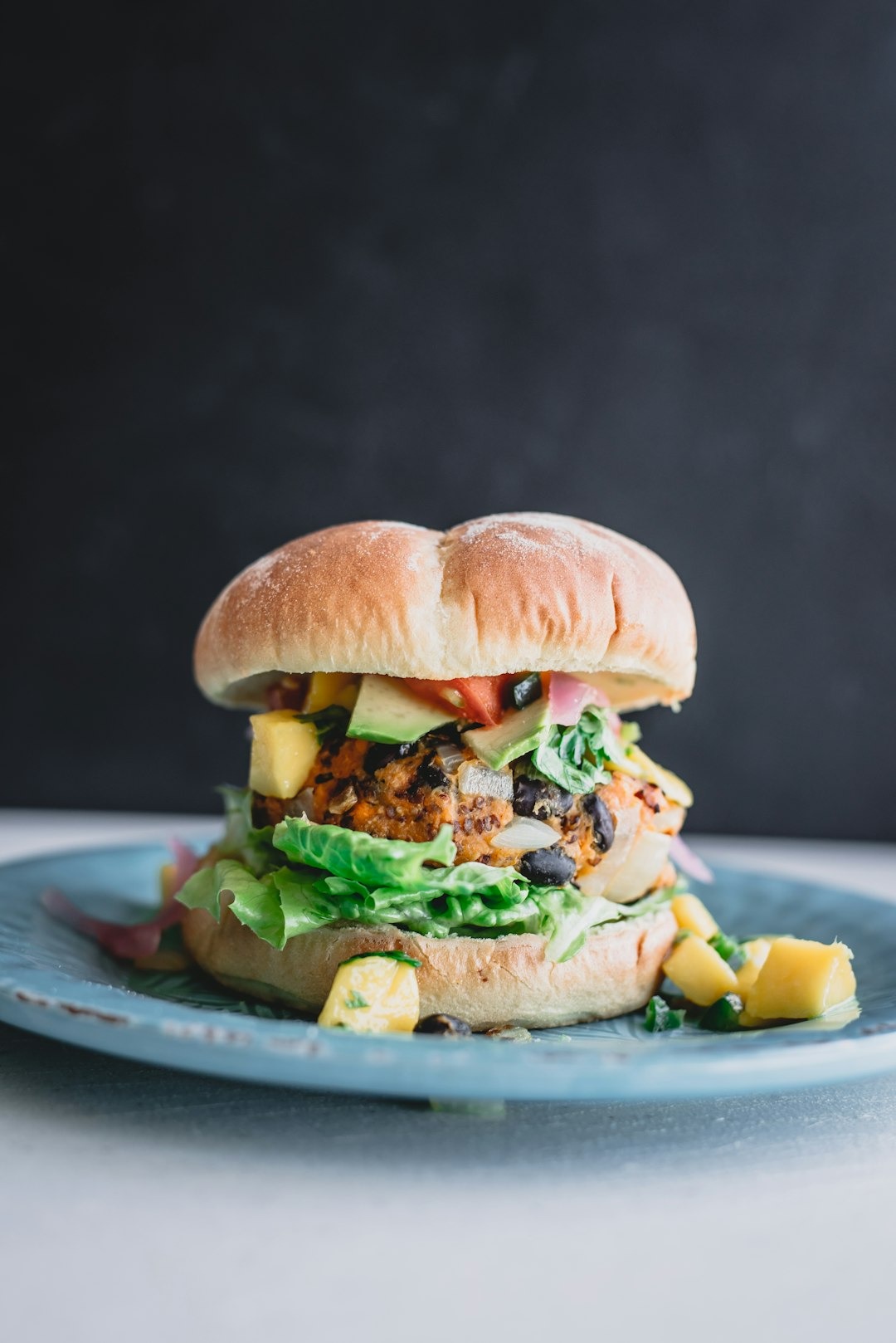
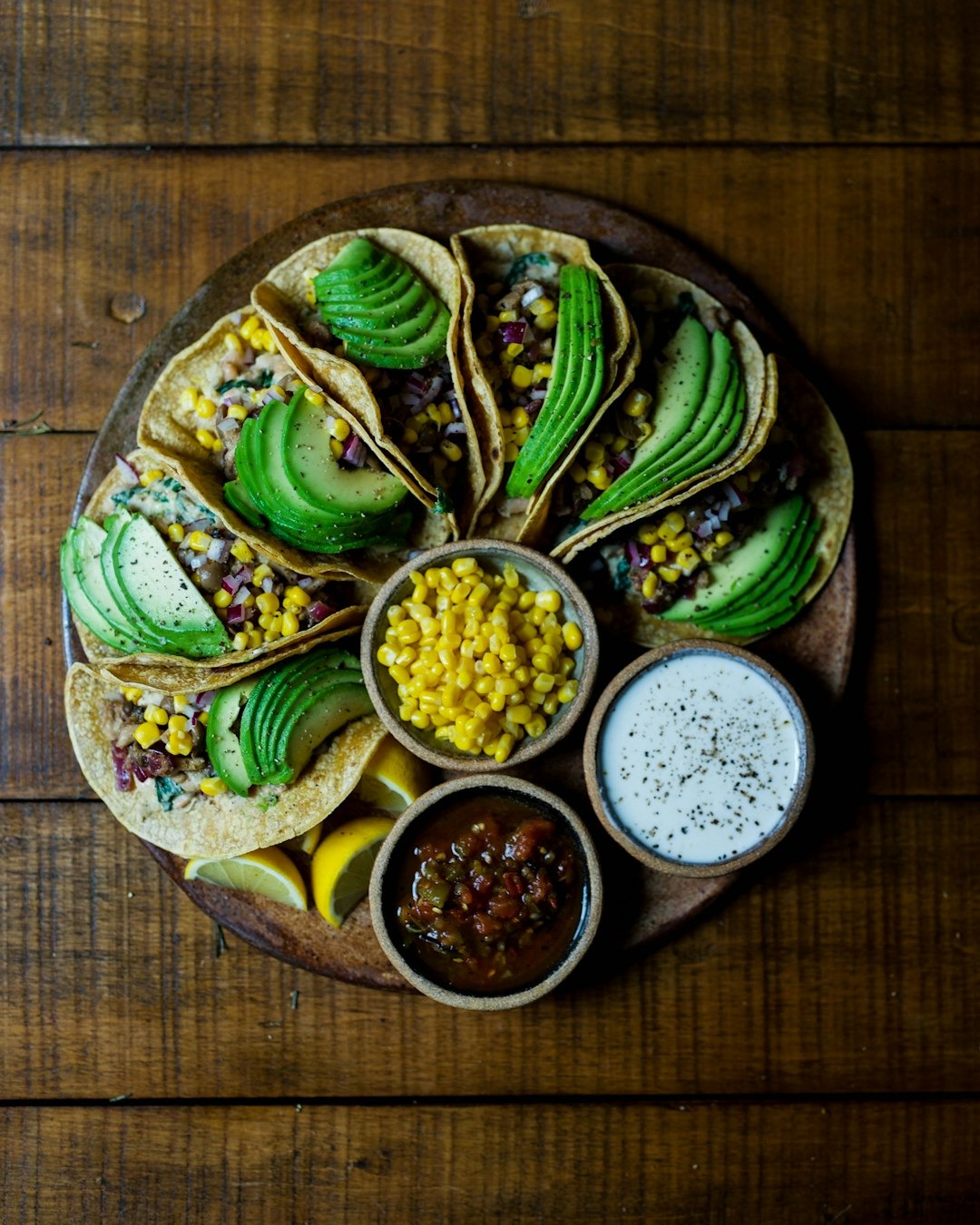
Plant-based eating is about nourishment, curiosity, and balance—not perfection. With practical choices and a flexible mindset, getting started can feel empowering and rewarding. Every plant-forward meal is a step toward better health, greater compassion, and a more sustainable way of living.
Leave a Reply
You must be logged in to post a comment.