
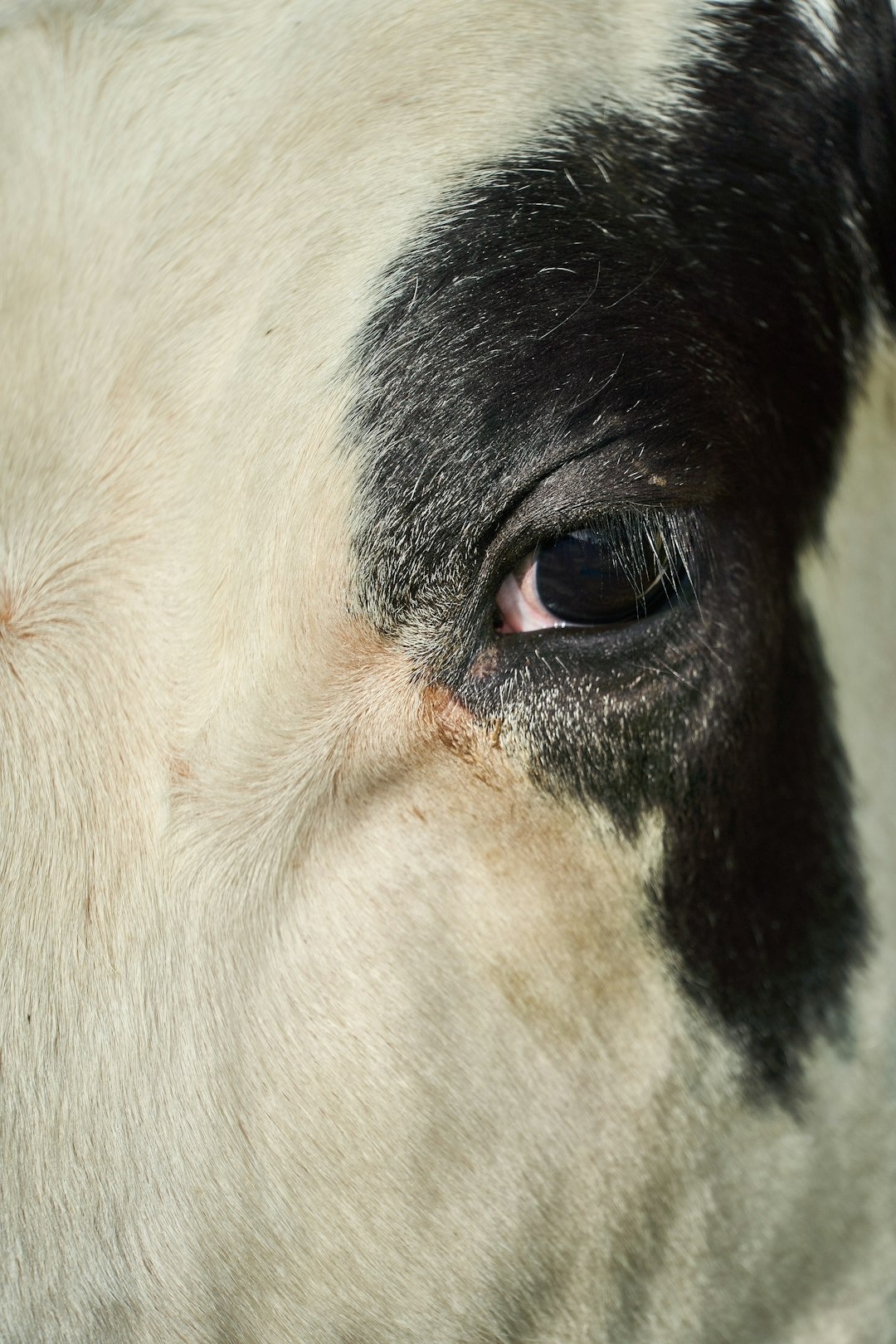
Every year, billions of animals are raised and slaughtered as commodities for food. From chickens to cows, pigs to fish, the scale is staggering: over 70 billion land animals and trillions of fish are killed globally each year for human consumption. These are not just numbers—they are individual lives, each with the capacity to feel pain, fear, and joy. For anyone concerned about animal welfare, this sheer magnitude is sobering.
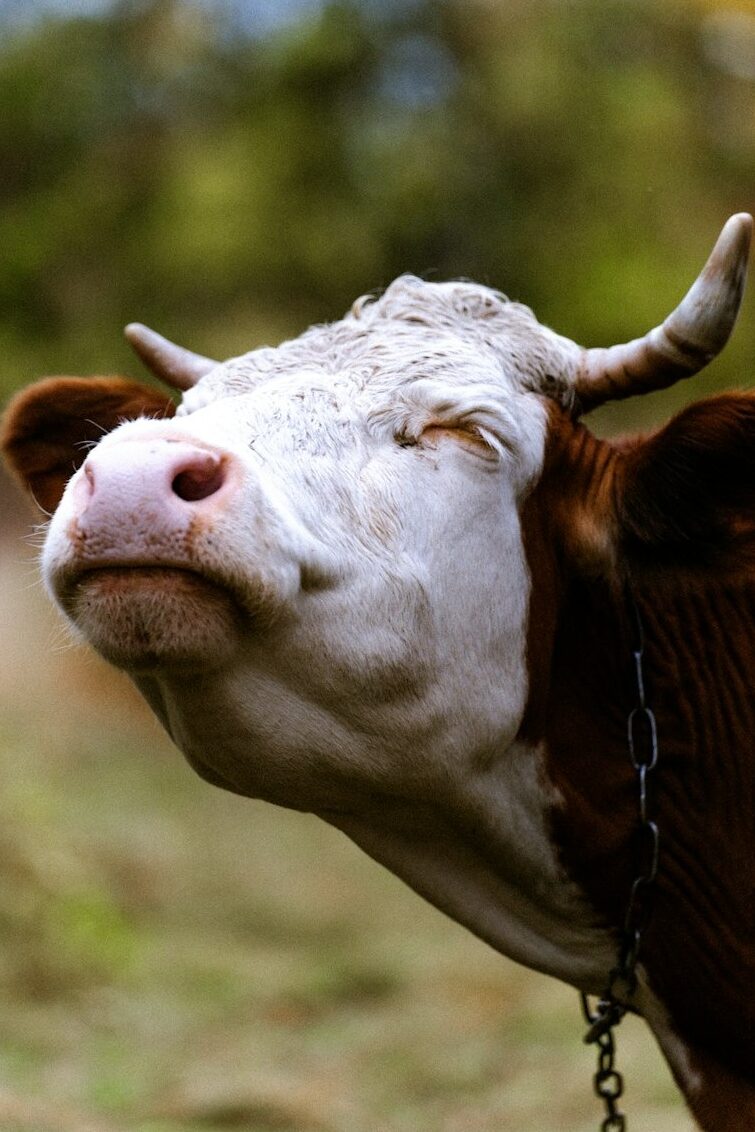
Cage‑free, grass‑fed, free‑range, humane. Why keep looking for the right way to do the wrong thing? Go vegan.
— Gary L. Francione, animal rights philosopher and activist
Many products on the market claim to be “humane” or “free-range,” and while the meaning of humane is something we all understand, if we really stop to think about it’s true meaning — having or showing compassion or benevolence — this cannot exist in the realm of exploitation of another living being. “Humane” labels are simply there to ease the mind of the consumer — who is also willing to pay more of a premium to ease their conscience. This practice, often called “humane-washing,” allows companies to sell animal products while giving the impression of compassion. In reality, confinement, stress, pain and ultimately, slaughter are an integral part of all animal agriculture.
The good news is that consuming animal products is no longer necessary. Scientific research and major nutrition organizations—including the Academy of Nutrition and Dietetics—agree that well-planned vegan diets are healthy and nutritionally adequate for all stages of life. In fact, eating plant-based not only supports your personal health—reducing risks for heart disease, diabetes, and certain cancers—but also has profound benefits for the planet. Livestock agriculture is a major driver of greenhouse gas emissions, deforestation, and water use. Choosing plants over animals is a way to protect ecosystems while reducing your ecological footprint.
At its core, eating vegan is a simple, everyday form of activism. It’s a compassionate choice that aligns your actions with the belief that animals deserve to live free from exploitation. Every meal is an opportunity to stand against unnecessary suffering and to make a positive impact on your health, the environment, and the lives of billions of animals.
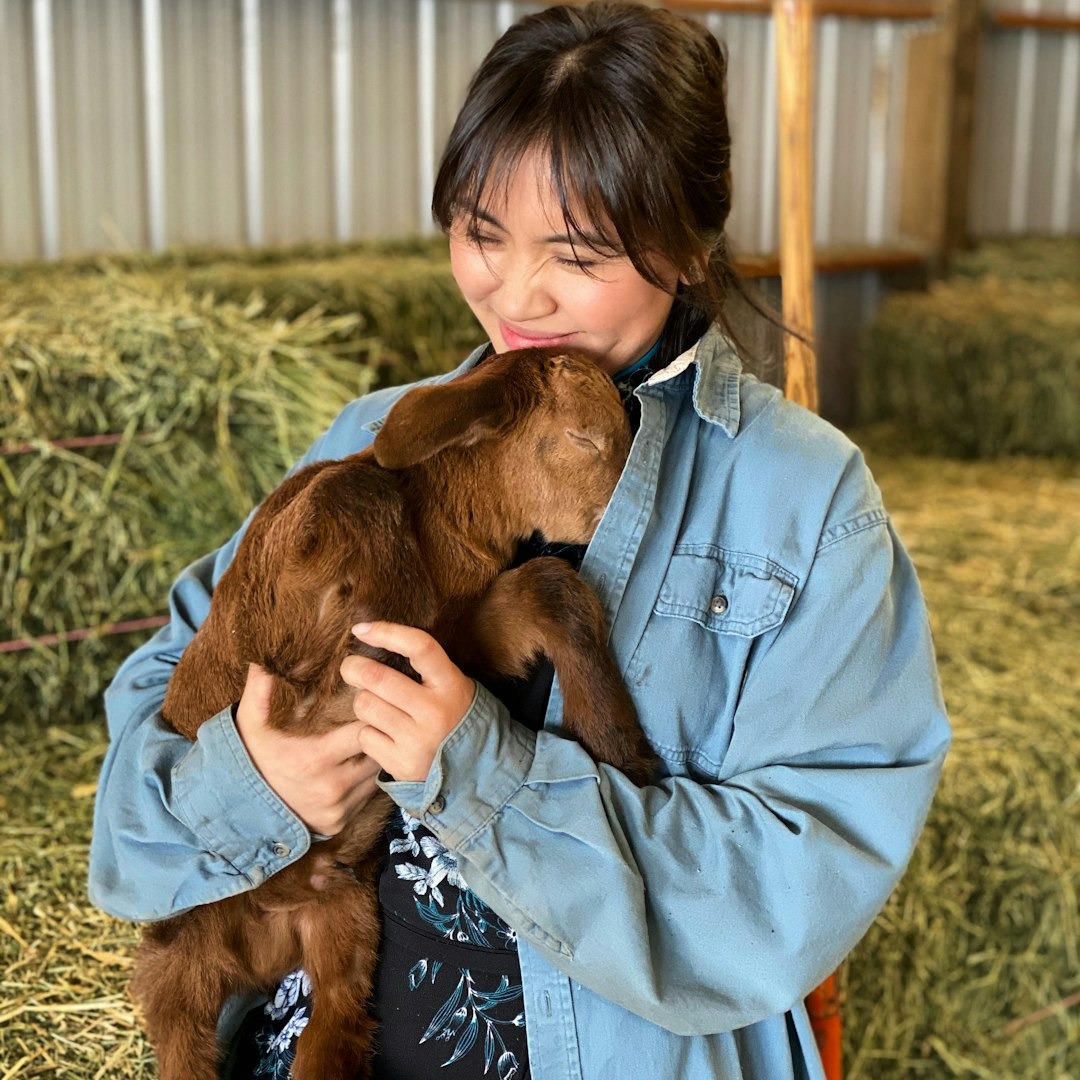
Choosing vegan is more than a diet—it’s a statement of compassion and a vote for a healthier, more sustainable world. The only true demonstration of love for animals is to keep them off your plate, out of products you use, and out of labs that test on them.
Leave a Reply
You must be logged in to post a comment.